Why IVN validation still misses critical events

Modern vehicle E/E architectures span multiple networks, speeds, and domains. Yet engineers continue to face visibility gaps, especially when systems scale beyond a single test stage.


Missed ECU and network behavior during system startup
Inaccurate correlation across CAN, LIN, FlexRay, and Ethernet
Packet loss or instability during burst traffic
Toolchains that are difficult to scale from bench to fleet

How Capture Modules address this

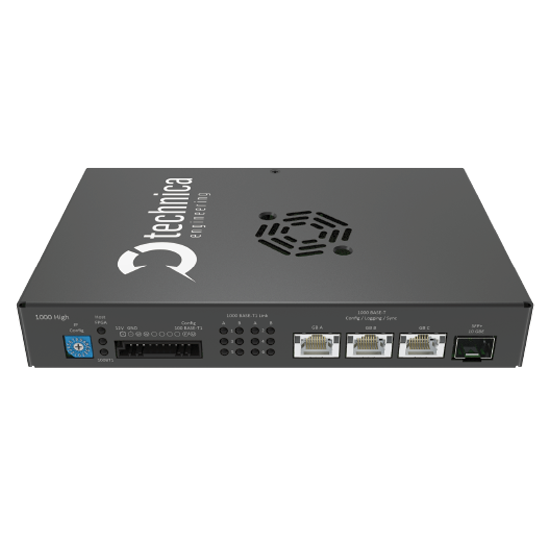
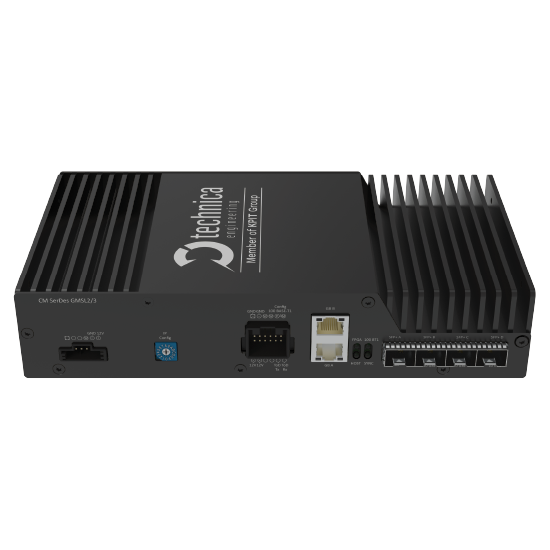
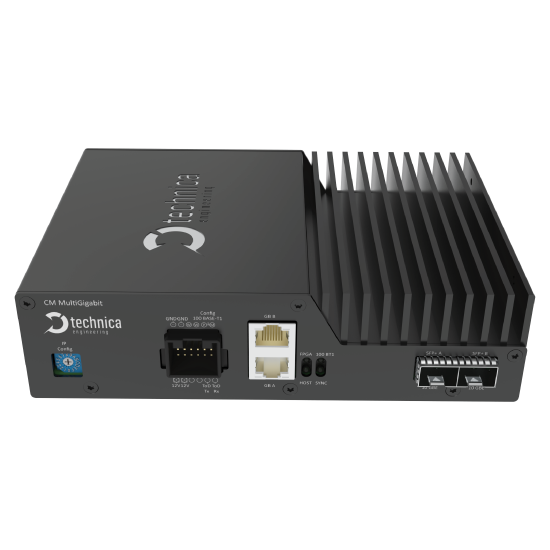
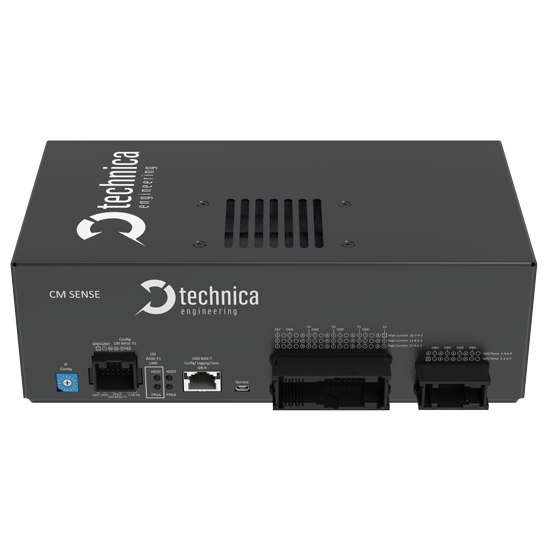
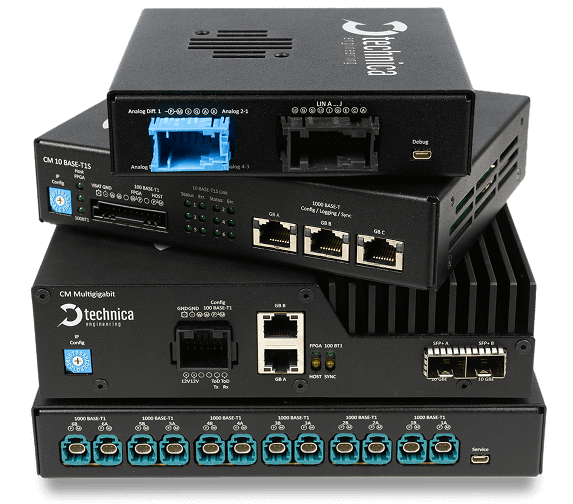
Capture Modules are active tap devices that sit transparently in the vehicle network. They forward live communication while simultaneously creating a hardware timestamped copy of each frame for logging and analysis.

Nanoseconds accurate hardware timestamping generated at the physical interface

Integrated buffer to capture and store the first data, even if the data sink is not ready.

Web based configuration to configure devices via a simple web-UI  

Designed for bench, HIL, in‑vehicle, and fleet environments

Time synchronization via gPTP / IEEE 802.1AS (AVnu profile) or PTPv2 subset

Smoother data flow: Avoid data bursts and logger overload.  

Cascading support: Combine multiple modules in one setup to scale test setups

Where Capture Modules are used

Require fast startup and data buffer
Start capturing data as fast as possible with the optimized startup logic and store the very first frames with the built-in device buffers.
Typical environments: ECU benches, in-vehicle testing, power management validation
Multi‑bus synchronization
Synchronize data across multiple bussystems with hardware timestamping down to nanoseconds.
Typical environments: System benches, HIL setups, mixed legacy and Ethernet architectures
HIL & test bench validation
Enable deterministic and accurate data capture in complex HIL environments without replacing existing infrastructure.
Typical environments: HIL systems, SIL setups, integration benches
Fleet vehicle data logging
Operate continuously inside fleet vehicles across ignition cycles to capture real-world behavior over extended periods.
Typical environments: Validation fleets, field testing, long duration studies
ADAS & sensor (SerDes) validation
Capture high speed camera and sensor links (GMSL2/3, FPD-Link III/IV) using SerDes technology.
Typical environments: ADAS benches, sensor validation rigs, vehicle level AD testing
Scalable and modular architectures
Combine multiple modules in one setup. Whether you’re testing on a bench or in a fleet car, our scalable design adapts to your needs.
Typical environments: Highchannel benches, vehicle level setups, fleet architectures

The modern in-vehicle network validation playbook (2026)

A practical, non‑technical guide to building secure, synchronized, and observable automotive ethernet validation benches.

Download free playbook

Watch the webinar recording

Secure. Synchronized. Easy. Modern IVN Validation with
Technica Enhanced Ethernet Switches

Watch webinar

What our global customers say about Capture Modules

Spotlight Automotive (BMW Ecosystem)
Accelerating fleet validation with Technica Engineering
“We needed to quickly set up testing resources for fleet validation—covering Ethernet, CAN, LIN, and FlexRay. The Capture Modules have been stable and maintenance‑free, with zero signal loss, and the support has been responsive and trustworthy.”
BMW Brilliance Automotive (BBA)
Fast deployment of accurate, efficient test systems
“We deployed Technica Engineering’s Capture Modules across production and fleet vehicles to collect high‑quality test data. Their high‑performance portfolio and proactive technical support helped us meet critical milestones and avoid downstream delays. Technica is more than a supplier—they are a trusted innovation partner.”
BMW – ADAS Validation Program
Driving innovation in ADAS validation
“Using Technica’s Capture Module SerDes, we achieved lossless, synchronized multi‑camera data capture, accelerating computer‑vision validation. The collaboration and reliability of the solution allowed us to validate next‑generation ADAS systems with confidence.”
Read more

Explore the full range of our Capture Modules

Explore the Capture Modules product page
Where Capture Modules are used

What you’ll see in the webinar

Topic - Capture every signal across the validation journey: Deterministic in‑vehicle network logging from bench to HIL, to fleet

Modern vehicle validation demands reliable visibility across distributed ECUs, mixed bus technologies, and increasingly complex architectures. This webinar explains how deterministic, hardware‑based capture enables accurate correlation of CAN, LIN, and Ethernet traffic—ensuring critical startup, wake‑up, and intermittent fault data is captured consistently across bench, HIL, and fleet environments.​
Protocols covered: CAN, CANFD, LIN, FlexRay, Automotive Ethernet (100/1000BASE-T1, MultiGigabit, 10BASE-T1S), SerDes GMSL2/3
Register for free
Date: June 17, 2026
Time:
1:00pm Stuttgart
4:30pm Mumbai
7:00am Detroit
Duration: 60 minutes
Platform: Mobex (Live + Interactive Q&A)
Cost: Free to attend

60 minutes of expert insight, real-world use cases, a live Demo with Capture Modules in action and Q&A with the engineers who built the products.

How hardware timestamping enables deterministic logging and trustworthy analysis across distributed in‑vehicle networks​

How to reliably capture ECU startup traffic, TC10 wake‑up events, and intermittent faults that are often missed by traditional setups​

Techniques for multi‑bus correlation using time synchronization and cascading architectures​

The internal buffering feature of Capture Modules allows to store early and transient data when downstream systems are not yet ready

Speakers at the event

Danyal Popalzai
Team Lead Technical Sales
Technica Engineering
Roma Pages
Senior R&D Engineer
Technica Engineering

Reserve your seat!

Registration includes: live access, interactive Q&A, webinar recording and technical follow-up material!
Register now - it’s free